Find Plainfield Auto Mechanic for Vehicle Inspections
Trustworthy Auto Repair Services to Keep You on the Road
Trustworthy auto repair services are fundamental in vehicle care and safety. Reliable shops emphasize transparency, so that customers understand pricing and services. Skilled mechanics with proper certifications add to the assurance of quality repairs. However, not all repair shops copyright these standards. Understanding what to look for can make a significant difference in both vehicle performance and driver confidence. The next steps involve evaluating these vital qualities to find the right service for your needs.
Vital Attributes of a Trustworthy Auto Repair Shop
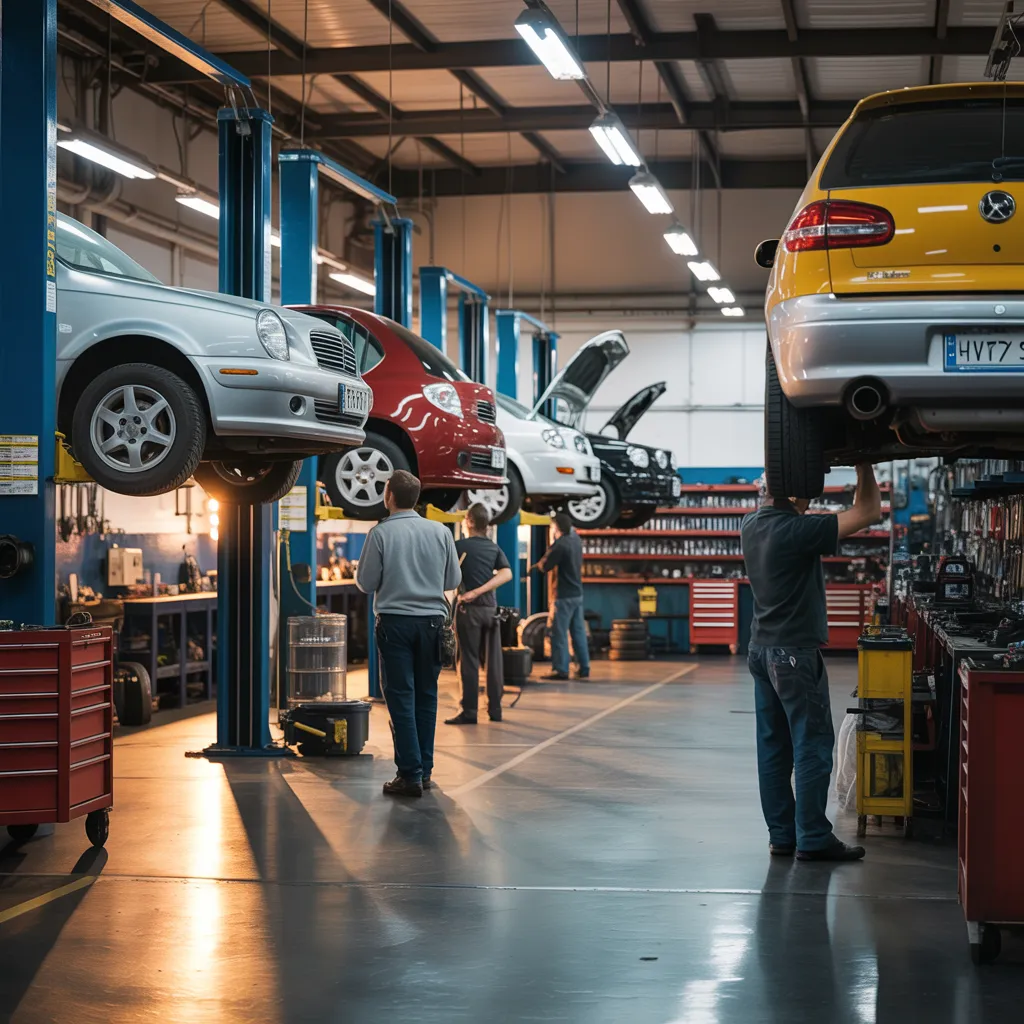
When searching for a reliable auto repair shop, customers often prioritize specific qualities that reflect trustworthiness. Most importantly, transparency in pricing and services is key; customers expect detailed estimates and open information about required work. Additionally, positive reviews and testimonials from past customers are signs of a shop’s reliability and customer service. A spotless and orderly helpful guide workshop also exhibits professionalism and care when handling vehicles.
Furthermore, experienced mechanics who display expertise in various automotive issues are vital. Customers favor shops that offer guarantees on their work, giving assurance that repairs are completed correctly. Finally, a strong dedication to customer service, including courteous team members who are prepared to answer questions, improves the overall experience. By concentrating on these essential attributes, customers can discover an auto repair shop that fulfills their needs while ensuring their vehicles receive reliable care.
Examining Mechanic Certifications
When considering auto repair services, determining mechanic certifications is vital for ensuring quality work. Certifications indicate a mechanic's level of expertise and commitment to the profession. Common certifications, such as ASE and manufacturer-specific credentials, serve as benchmarks for evaluating a mechanic's qualifications.
Advantages Of Certifications
Certifications function as an crucial benchmark in determining the abilities and competencies of auto mechanics. They indicate that a mechanic has finished rigorous training and has fulfilled particular industry standards. This documented validation assures consumers about the mechanic's competence and dedication to quality service. Certifications also reveal that the mechanic remains current with evolving automotive technologies and practices, which is vital in an industry marked by rapid advancements. Additionally, mechanics with certifications often comply with ethical standards and best practices, fostering trust between them and their clients. Ultimately, certifications offer consumers with a trustworthy way to separate qualified professionals from those missing formal recognition, ensuring better service and vehicle maintenance.
Common Mechanic Licenses
Mechanic qualifications show considerable variation, offering a framework for assessing the expertise and qualifications of automotive professionals. Popular certifications include the National Institute for Automotive Service Excellence (ASE), which is well-respected in the field. ASE certification demands passing rigorous tests and showcasing hands-on work. Manufacturers like Ford, Honda, and Toyota also offer focused credentials, focusing on manufacturer-specific knowledge and skills. Furthermore, the Automotive Service Association (ASA) advances quality standards among its members, guaranteeing professional conduct in service. Credentials not only enhance a mechanic's credibility but also guarantee customers of their mechanical expertise. When selecting an auto repair service, verifying these credentials can result in superior work and increased trust in the repairs completed.
Why Clear Cost Structure Matters in Auto Repairs
Straightforward fees in auto work generates trust between buyers and service providers, building a more solid relationship. When repair shops outline clear and upfront assessments, customers can make knowledgeable decisions without the fear of hidden expenses or unanticipated charges. This directness not only strengthens customer satisfaction but also cultivates loyalty, as clients feel more comfortable in their choices.
Moreover, clear pricing structures help set a standard of accountability within the auto repair industry. Customers are more likely to revisit a shop that communicates costs openly and describes services, creating a good feedback loop. Additionally, transparency can lessen disputes over billing, as clients have a evident grasp of what they are paying for.
In a tough economic environment, service providers that focus on honest pricing practices can distinguish their business and gain more patrons. Ultimately, this approach supports a improved, more dependable auto repair sector for everyone involved.
Tips for Forming a Trustworthy Association With Your Mechanic
Establishing a robust connection with a mechanic can elevate the overall satisfaction of auto servicing. Transparent communication of concerns, fostering belief over time, and recognizing maintenance recommendations are essential elements in this process. By focusing on these areas, vehicle owners can promise more successful and reliable service.
Share Your Preferences Clearly
What ways can effective communication transform the connection between a car owner and their mechanic? Open conversation promotes shared comprehension and guarantees that both parties are aligned on expectations. Car owners should express specific concerns, detail symptoms, and share any previous repair history. This transparency allows mechanics to identify issues accurately and suggest appropriate solutions. Furthermore, asking questions about the repair process or parts used can offer helpful information, empowering car owners to make informed decisions. Creating a two-way communication channel encourages mechanics to explain technical details in layman's terms, strengthening trust and satisfaction. Ultimately, strong dialogue not only streamlines the repair process but also cultivates a lasting partnership, where both the car owner and mechanic feel respected and valued.
Create Trust Over Time
Trust is the key element of any healthy relationship, and the interaction between a car owner and their mechanic is no exception. To create this trust over time, car owners should consistently visit the same mechanic. This familiarity allows the mechanic to appreciate the vehicle’s history and the owner's preferences. Open, honest communication about questions and experiences fosters mutual respect. Additionally, car owners should pay attention to the mechanic’s recommendations and expertise, respecting their professional insights. Engaging in regular check-ins about the vehicle’s performance can further solidify this bond. Finally, a willingness to ask questions and seek clarification demonstrates commitment, allowing both parties to collaborate effectively. Building this relationship in time leads to reliable service and peace of mind on the road.
Grasp Maintenance Advice
Grasping service advice is essential for building a strong connection between car owners and their mechanics. By actively engaging with these suggestions, car owners showcase their commitment to vehicle upkeep, which mechanics value. Knowing manufacturer guidelines and service intervals helps owners to make well-informed decisions about their vehicle's care. This knowledge facilitates more meaningful discussions during visits, converting the mechanic from just a service provider into a trusted advisor. Moreover, being proactive with maintenance can detect potential issues early, preserving time and money in the long term. Establishing this dialogue not only strengthens trust but also results in better service outcomes, assuring that the vehicle remains reliable and safe on the road.
Leading Auto Repair Cons to Prevent
What are the most common auto repair scams that unsuspecting vehicle owners should be careful of? One widespread scam includes unnecessary repairs, where mechanics exaggerate the list of needed services to increase profit. For example, they may suggest replacing parts that are still working. Another tactic is the “bait and switch,” where a low initial estimate is offered, but additional costs emerge once the vehicle is in the shop. Also, some shops may bill for services never performed, exploiting the lack of oversight. Misdiagnosing problems is also frequent; mechanics may state a more costly issue exists instead of addressing a simpler one. Lastly, copyright or substandard parts can be installed, jeopardizing vehicle safety and performance. Vehicle owners should stay alert and obtain multiple estimates to avoid falling prey to these deceptive practices.
Essential Suggestions for Maintaining Your Car
After navigating through the traps of common auto fraudulent schemes, vehicle owners can take proactive steps to ensure their cars remain in peak condition. Regular maintenance is essential; scheduling oil changes every 3,000 to 5,000 miles helps maintain engine longevity. Tire care is equally important; monitoring tire pressure monthly and turning tires every 6,000 to 8,000 miles can enhance performance and safety.
Furthermore, car owners must keep a watchful eye on liquid levels, such as coolant, braking fluid, and gearbox fluid, to stop possible problems. Adhering to the manufacturer’s recommended service intervals is essential for maintaining warranty and the general condition of the vehicle.
Cleaning the outside and interior not only maintains appearance but also prevents rust and wear. Finally, paying attention to unusual sounds or warning lights can provide early warnings of problems. By adopting these practices, owners can greatly extend their vehicle's lifespan and reliability.
When do you need professional services in lieu of DIY?
When is it wise for vehicle owners to seek professional repairs instead of tackling problems themselves? Professional repairs are advisable when the problem concerns complex systems, such as the engine, transmission, or electrical systems. These areas often require specialized knowledge and equipment that the average DIY enthusiast may lack. Additionally, if the car shows warning lights or unusual noises, it may suggest hidden problems that necessitate expert diagnosis.
fortitude and sustained performance on the road.
Regularly Asked Queries
How Do I Find a Dependable Auto Repair Shop in My Neighborhood?
To locate a dependable auto service center locally, one can request recommendations from acquaintances, read online reviews, browse local listings, and visit potential shops to evaluate professionalism and customer service before making a decision.
What Are Standard Red Flags My Car Should Have Immediate Fix?
Common signs that a car requires immediate maintenance include strange sounds, warning lights on the dashboard, fluid leaks, difficulty starting, and changes in handling or braking. Ignoring these indicators may lead to more serious issues.
How often Should I schedule upkeep for My vehicle?
Professionals suggest scheduling vehicle maintenance every 5,000 to 7,500 miles or every six months, whichever comes first. Regular checks guarantee peak performance and can prevent significant issues, increasing the vehicle's lifespan and improving safety.
What Coverage Can I Expect on Vehicle Repair Services?
Auto repair services typically provide coverage ranging from 90 days to two years, depending on the service performed. Components may have individual guarantees, protecting parts and labor, guaranteeing customer satisfaction and protection against defects.
Can I Receive a Second Opinion on My Repair Estimates?
Yes, obtaining a alternative viewpoint on service quotes is wise. It permits comparison of diagnoses and pricing, ensuring informed decisions. Many facilities welcome questions, fostering transparency and confidence in the proposed work.